




The roads from Sydney give way to open paddocks, big skies, and close-knit communities. From the Northern Rivers to the Central West, through towns like Dubbo, Bathurst, Orange and Wellington, we’ve journeyed closely with regional school communities.
From master planning and stakeholder engagement through to construction, there are opportunities to build enduring partnerships that shape not just buildings, but the very people they serve. In the education space, we consider how every space serves students, as well as teachers, families, and the wider community.
Designing with heart: Stories from regional NSW
One such journey began in 2014 with Dubbo Christian School. Amongst expansion, they were reimagining who they were and what they stood for. Before a single sketch was drawn, we spent two full days with the staff team, asking deeper questions. Instead of talking about square metres or car parks, we asked: Who are you here to serve? What values do you want to live out through education? What kind of community are you trying to build?
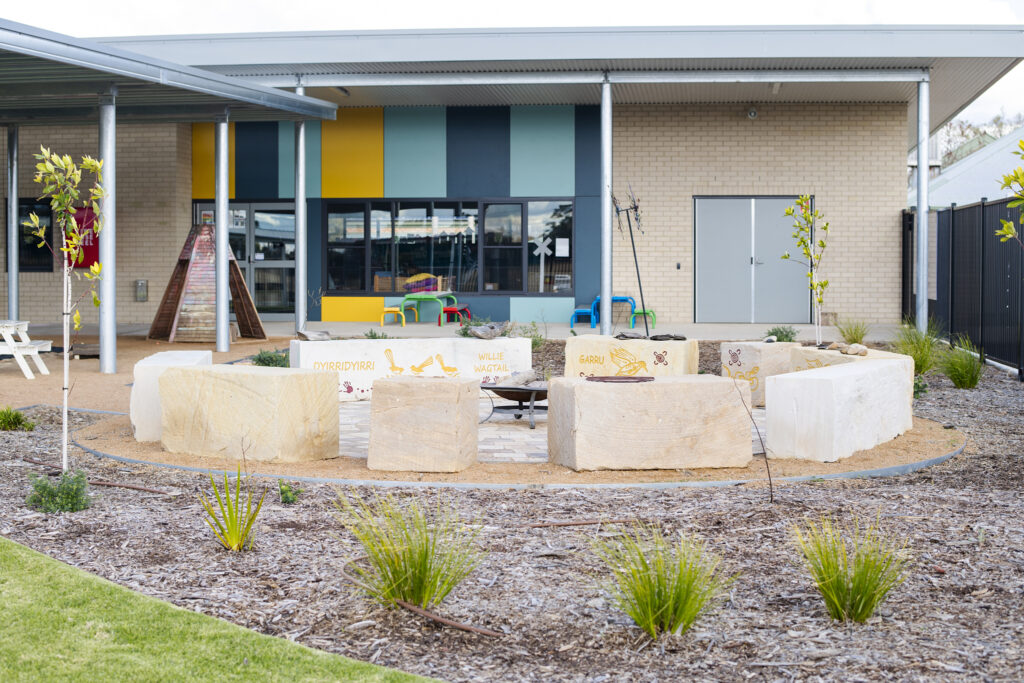
That conversation shaped everything that followed. Supported by insights from an Association of Independent Schools (AIS) conference on masterplanning, we see every school as more than simply a place of learning, but as a safe, inclusive environment imbued with the school’s values.
When we later partnered with sister school, Wellington Christian School, the vision remained the same, but the design responded to their specific needs: more visibility for supervision, retreat spaces for overwhelmed students, and shared areas that welcomed families and the community. Every decision came back to the people. The clients led the way, and we helped make it real.
Partnerships like these don’t end when the construction dust settles. In fact, that’s often where the next chapter begins.
Back in Dubbo, that initial masterplan turned into the redesign of the preschool resulting in a carefully managed project completed in 2021, throughout which the school remained open and thriving. With the acquisition of nearby land, we relocated the preschool, transformed the original space into new kindergarten classrooms, and set the stage for a larger evolution. Now we’re deep into planning the next phase for the primary school, revisiting and refining the masterplan as the school’s needs evolve.
This rhythm of check in, reassess and adjust is deliberate. Every five years, we revisit the big picture. Has the school’s direction changed? Are the priorities still aligned? By staying in step, we ensure the design continues to reflect their strategic vision.
Masterplans that reflect a school’s soul
A masterplan is a story of where a school is headed and how it plans to get there. We approach this process with curiosity and empathy, drawing out what makes each school unique and how their physical environment can support their purpose.
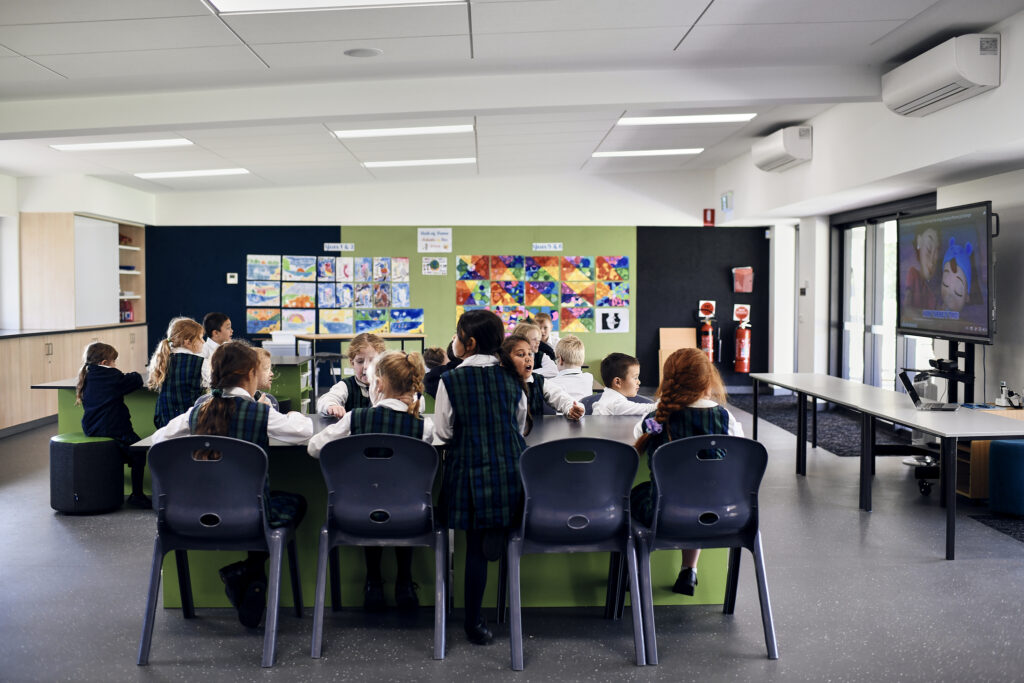
In Dubbo, we kept coming back to one guiding idea: every child should feel seen, known, and safe. That meant designing with clear sightlines for supervision, creating spaces where students could find quiet when needed, and ensuring no one fell through the cracks.
We take just as much care with the spaces adults inhabit, the places where teachers and staff can work, collaborate, and recharge. And we build in community facilities that welcome families and friends, blurring the lines between “school” and “home base.” Every part of the design, from masterplan to final handover, is reviewed through the lens of the school’s strategy, ensuring each space serves a real and lasting purpose.
An understanding of regional realities
Working in regional communities demands presence and planning. It’s sometimes not as ‘convenient’ the city, where we can drop in for a quick meeting. Our teams plan ahead, travel out, and sit down face-to-face. As one of our Principals, Caroline Hart puts it,
“Being with a client in person speaks to our commitment to working and partnering with them. It’s not just about being available, it’s about being present, listening carefully, and showing up with integrity. When challenges arise, we address them openly, take responsibility, and work together to find solutions. Some of these relationships have lasted nearly two decades, not because things have always gone perfectly, but because we keep showing up, with honesty and care.”
In addition to distance, many regional projects face tight budgets and limited local resources. Over the past five years, construction costs in some regional areas have doubled. In some towns, contractors may not have experience with complex builds, which adds another layer of challenge.
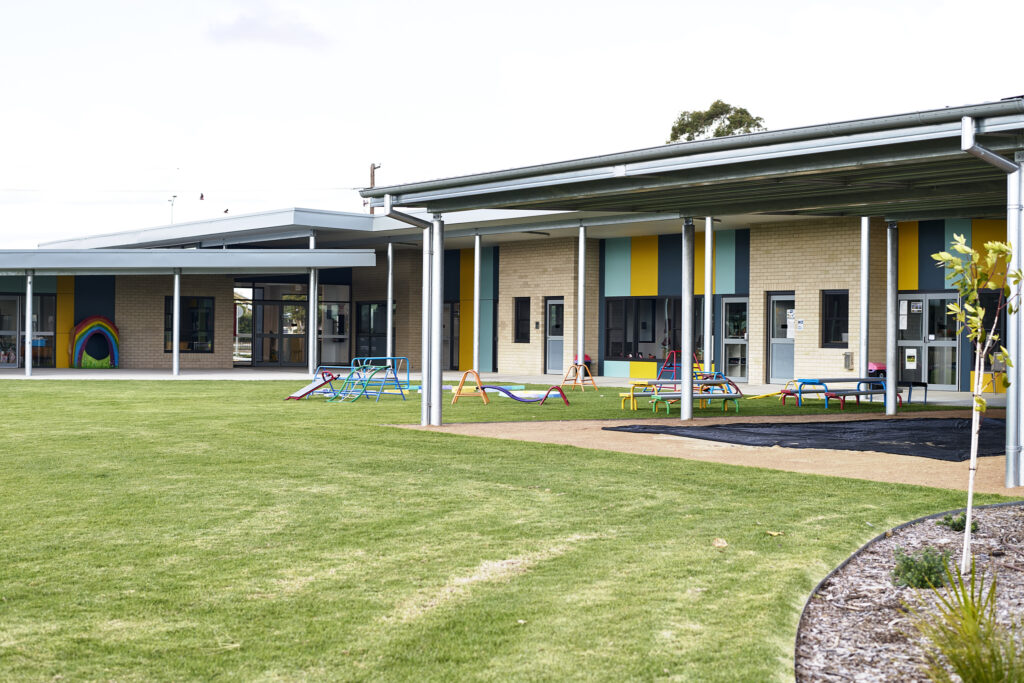
In Dubbo, this reality shaped the design response. With limited local experience in two-storey concrete construction, we adjusted to a one-storey steel frame alternative. This approach was not only more cost-effective but also more achievable within the local context. The result was a solution tailored to place. It was practical, efficient, and aligned with what the community could deliver.
A commitment to regional communities
We believe that good architecture shouldn’t be limited by geography. Working across regional NSW has sharpened our understanding of what is means to design with purpose. It has demonstrated the value of listening deeply, building trust over time, and shaping spaces that respond to real needs.
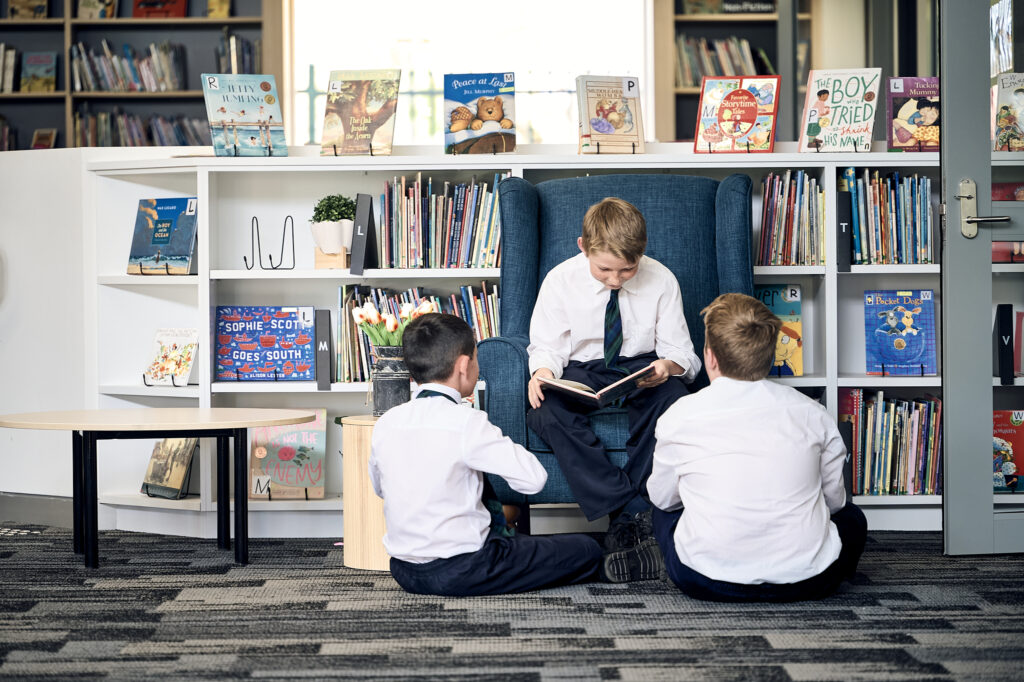
At Stanton Dahl Architects, our work in regional communities is about creating meaningful partnerships and spaces that support long-term impact.
 Previous
