





For a faith community, a church building is more than just its physical presence; it is an opportunity for Kingdom impact. Church buildings serve as enablers of ministry, hubs of community, and places where transformation happens. At Stanton Dahl Architects, we’ve worked with more than 50 faith-based communities to date, providing them with flexible, comfortable environments that inspire spiritual growth.
Building design is fundamental to how a church functions, shaping experiences and inviting people in. How does your church building contribute to the spiritual and communal life of your congregation? From a gathering space on Sundays to opportunities for ministry throughout the week, these buildings are powerful tools for the Gospel.
Shayne Evans, CEO of Stanton Dahl Architects, puts it simply: “Buildings are agents for relationships to occur. They allow a space for something to happen.” From the moment someone walks through the door, the building itself is part of their experience. The layout, lighting, and seating all communicate before a single word is said from the pulpit. When designed with care, church buildings can create an environment where people feel welcome, connected, and inspired.
When buildings are intentionally designed to align with a church’s mission, they become tools that actively support and amplify its purpose. Shayne has observed that churches often see an available property and think, “We should buy it because we might need it.” However, the real question should be, “Does this space serve our mission?” When vision and planning are clear, church spaces become powerful enablers of ministry. Before jumping into a building project, it’s essential to ask: Where is our church headed? How do our spaces help us fulfill that vision? Answering these questions early allows churches to invest wisely in spaces that support long-term growth and impact.
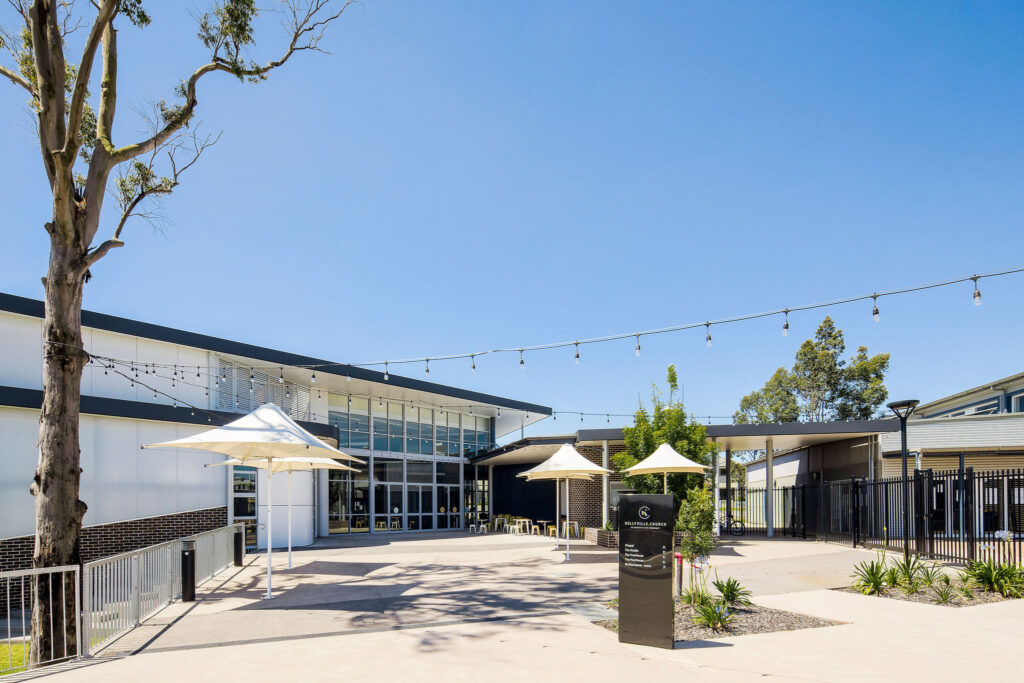
Have you considered how your current or future building aligns with your church’s mission? Kellyville Adventist Church provides an example of a church that approached its building project with clear vision. The Seventh-day Adventist Church has a long-standing relationship with Stanton Dahl Architects, and their project in Kellyville was about more than just constructing a new building. Their goal was to connect their congregation to each other, to the adjacent school, and to the wider community. The facilities developed include worship spaces, children’s and youth facilities, and spaces for kinder and crèche, ensuring that the church remains a central hub for faith and community life.
Thoughtful stewardship of resources ensures that church buildings not only serve their congregation but also contribute to their broader mission in sustainable ways. A growing trend among churches is to use their property assets not just as ministry spaces but also as financial lifelines. One of the most impactful ways churches are doing this is through housing initiatives. “Housing has been one of the most effective revenue solutions we’ve seen churches adopt,” Shayne says. Whether through affordable housing, supported living, or partnerships with housing providers, these projects serve the community while creating sustainable income streams. Other churches are exploring multi-use spaces, including early learning centers, co-working spaces, and community halls, all of which create meaningful opportunities for engagement.
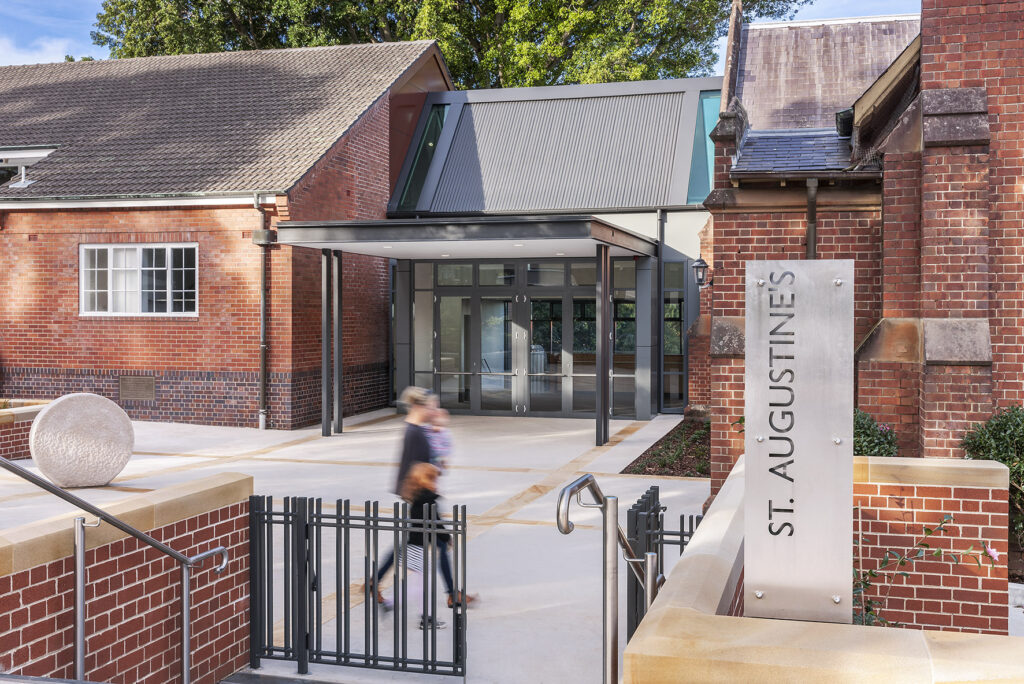
St Augustine’s Anglican Church in Neutral Bay provides a great example of this approach. By undertaking alterations and additions to their existing heritage-listed church, they created a welcoming, safe, and connected environment for their community. The project included a new entry courtyard, foyer, and circulation hub that linked the heritage church with the post-war church hall. A first-floor addition provided ministry spaces within the hall, while the refurbished hall was designed for dual use as an early childhood centre during the week and for church functions and Sunday school over the weekend. Addressing site entry, accessibility, and flexibility, the project transformed St Augustine’s into a more prominent and inviting church that remains true to its heritage and mission. What aspects of your church’s physical environment could be improved to better serve both congregation and community?
Good stewardship doesn’t always require large-scale projects; in many cases, smaller, strategic changes can make a substantial difference. A few thoughtful tweaks can breathe new life into an existing space. “Sometimes, a simple move like shifting a wall, adding flexibility to a space, or even a fresh coat of paint can transform a building,” Shayne explains. By making strategic, incremental changes, churches can enhance their buildings without undertaking massive renovations. Simple updates like improved lighting, fresh colour schemes, or better signage can immediately make a space feel more inviting and functional.
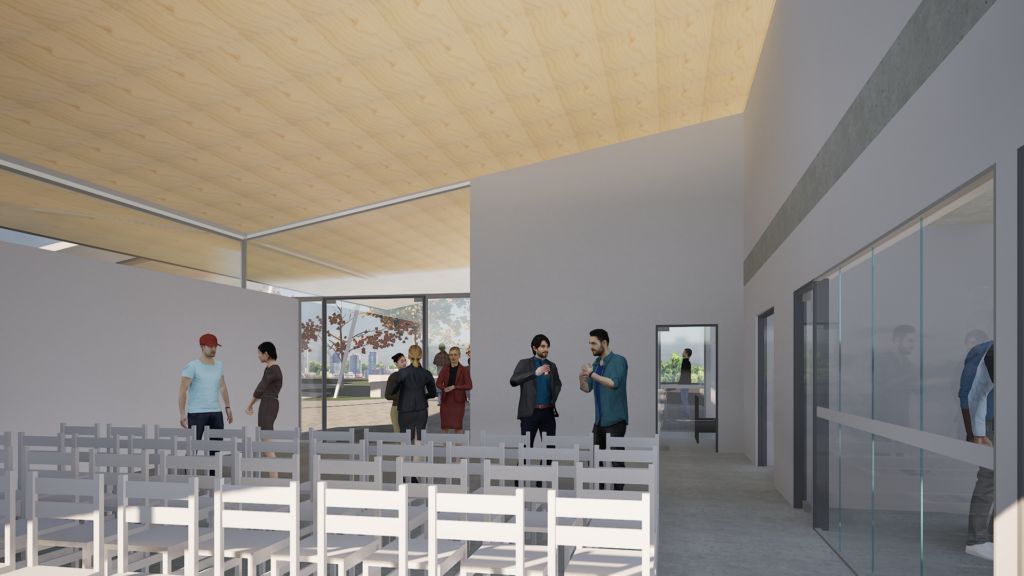
Parramatta Baptist Church serves as an example of how small changes can make a significant impact. By reconfiguring existing spaces and updating interior finishes, the church created a more welcoming and functional environment for its congregation. These strategic, cost-effective modifications enhanced the overall experience without requiring extensive renovations. What small changes could make a meaningful difference in your church’s spaces?
Church buildings should be designed not only for today but with an eye toward the next five, ten, or even fifty years, ensuring they remain relevant and functional. Masterplanning helps churches think long-term, ensuring their spaces evolve alongside their congregation. Shayne encourages churches to take a step back and map out their future. “Buildings should be part of a long-term strategy, not just an immediate fix,” he advises. A well-thought-out masterplan considers ministry goals, demographic shifts, and financial sustainability so that church buildings remain vibrant and relevant for generations.
What long-term needs should your church anticipate as it plans for the future? St Paul’s Anglican Church embarked on a masterplanning process to ensure their facilities would meet the needs of their growing congregation. The comprehensive plan addressed not only immediate building needs but also the long-term vision of the church, ensuring that their spaces continue to serve both present and future generations effectively.
Church buildings aren’t just places where people meet. They’re places where ministry happens, where communities grow, and where lives are transformed. When designed with purpose, they create opportunities for connection, outreach, and Kingdom impact.
At Stanton Dahl Architects, we love working with churches to make sure their buildings serve their mission. If your church is considering a building project, we’d love to start a conversation. Let’s explore how your space can become an opportunity for something greater.
 Previous
